Sunday, May 13, 2007

Product: CREMONA PREMIER "NOVICE" OUTFIT- CELLO 4/4-1/8

CREMONA PREMIER "NOVICE" OUTFIT- CELLO 4/4-1/8

Product: CREMONA PREMIER "NOVICE" OUTFIT- CELLO 4/4-1/8
Item Number: SC-130

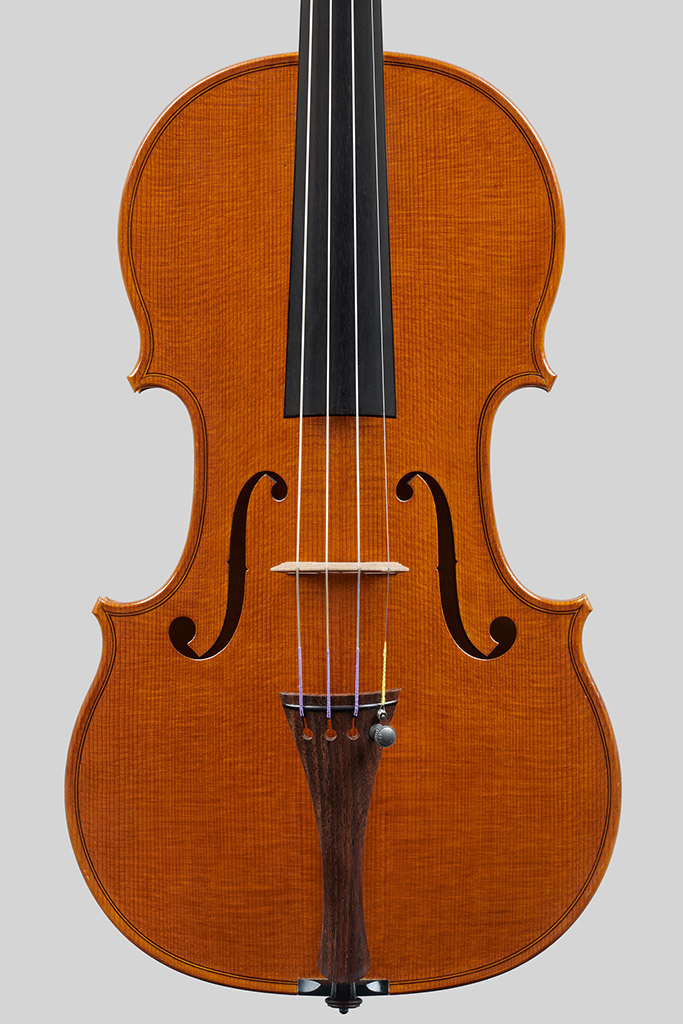
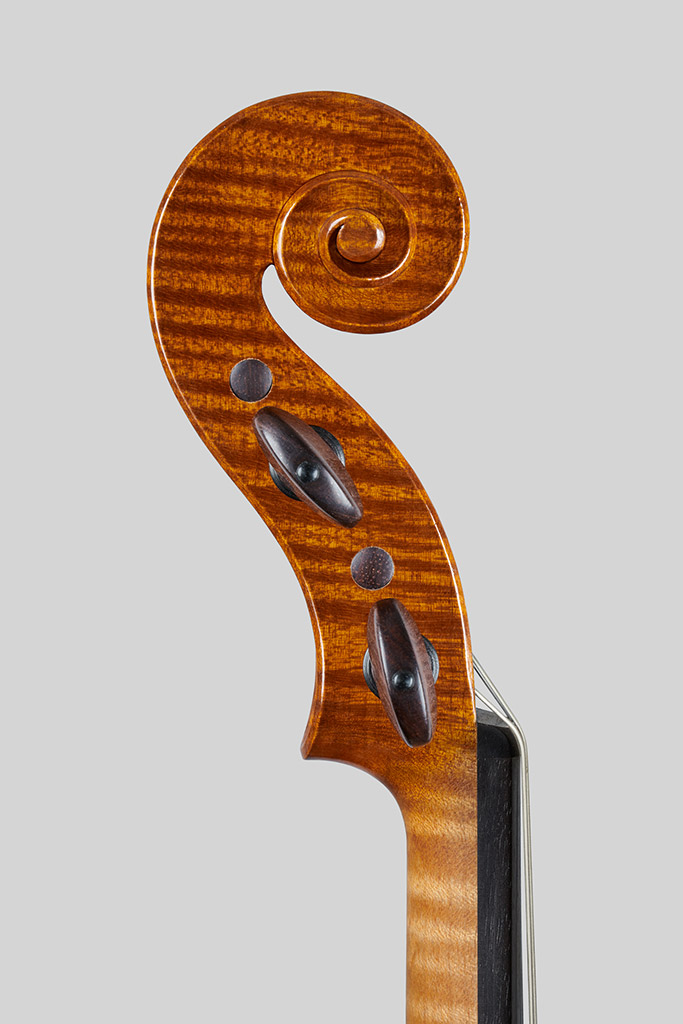
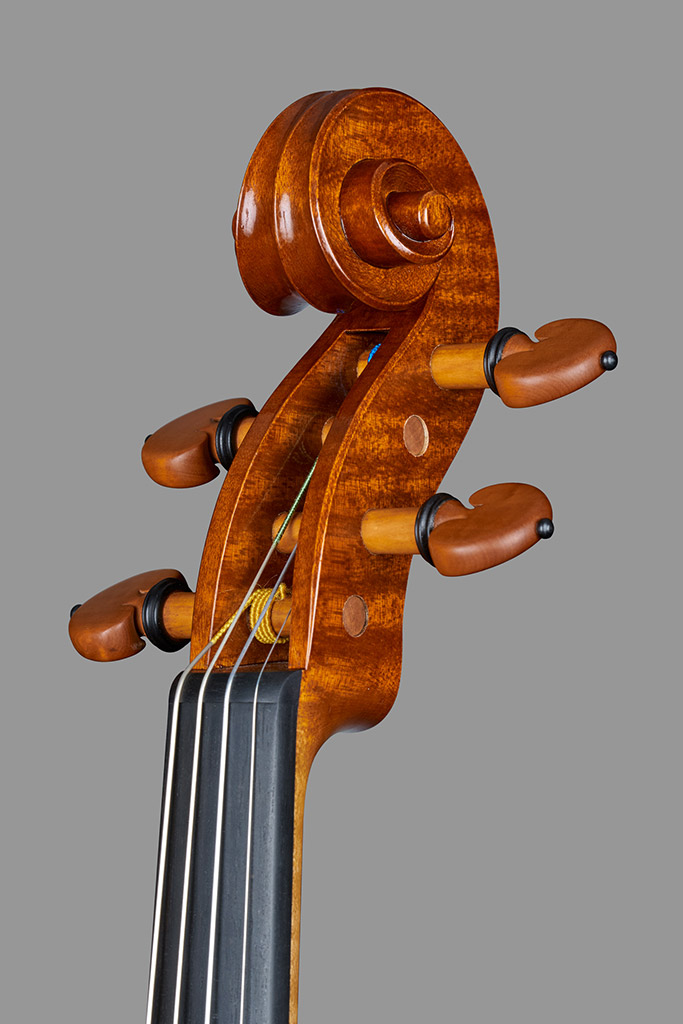
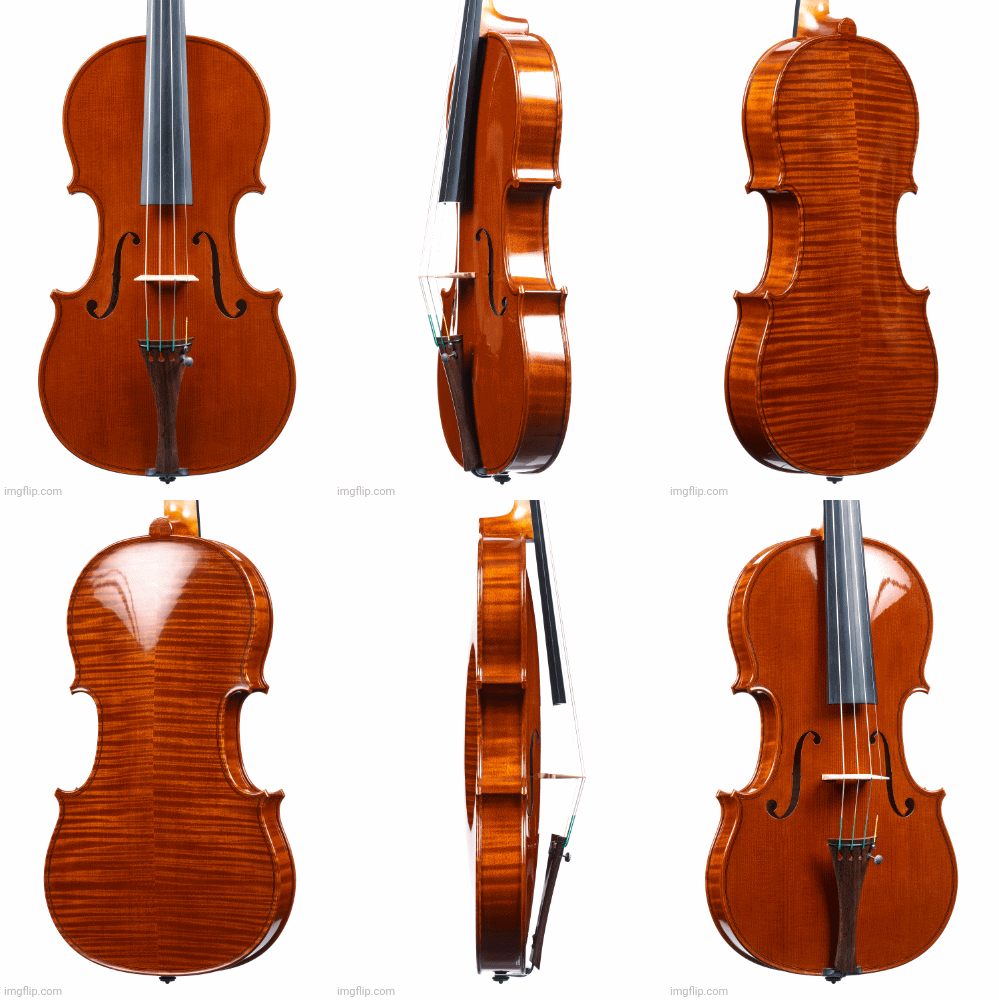
Saga took an already-great cello and dressed it up with genuine Hill-style boxwood fittings and the result is...The SC-130 cello outfit. This superb value in an economy-priced, hand-carved instrument will bring the joys of cello study to many an aspiring student.

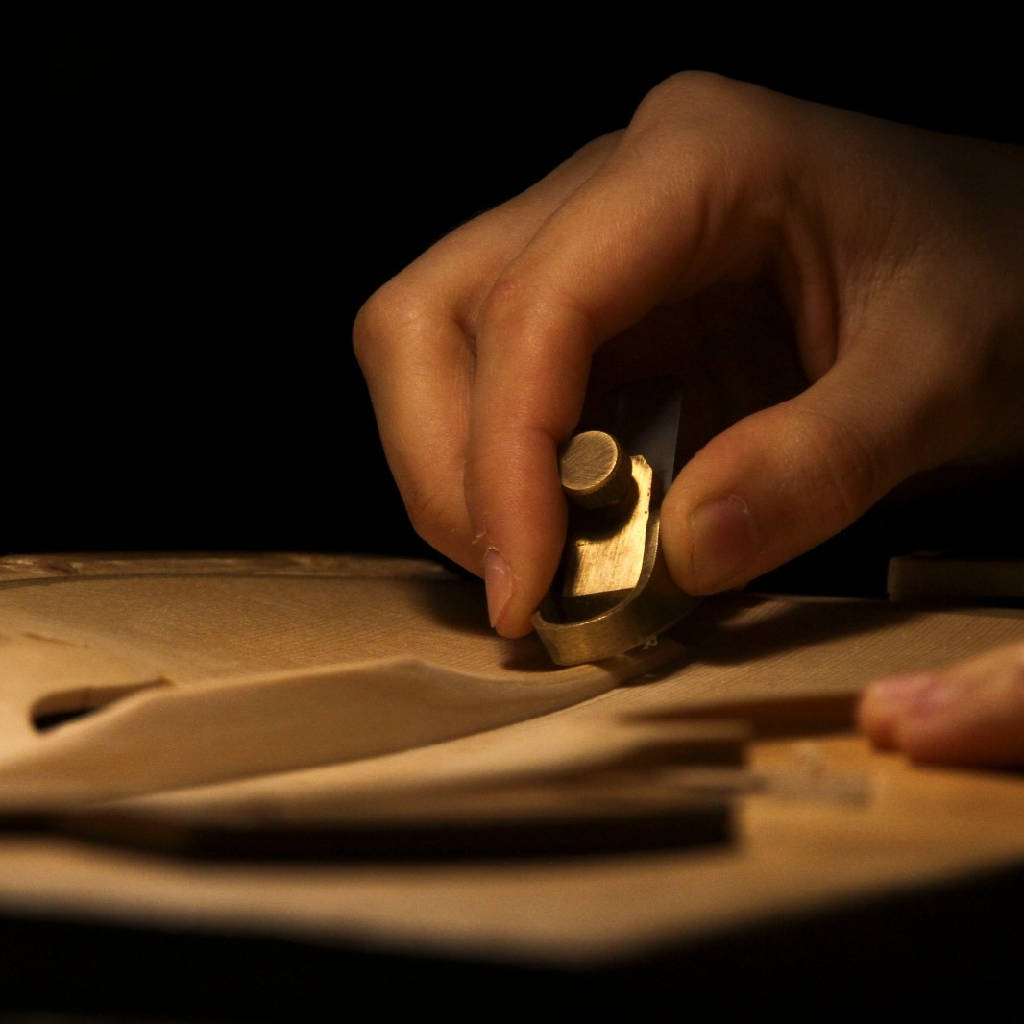
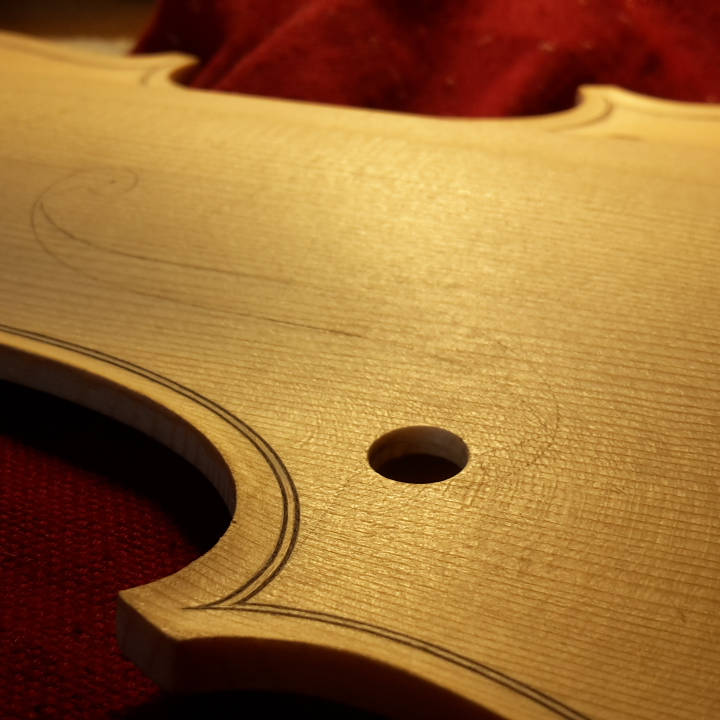
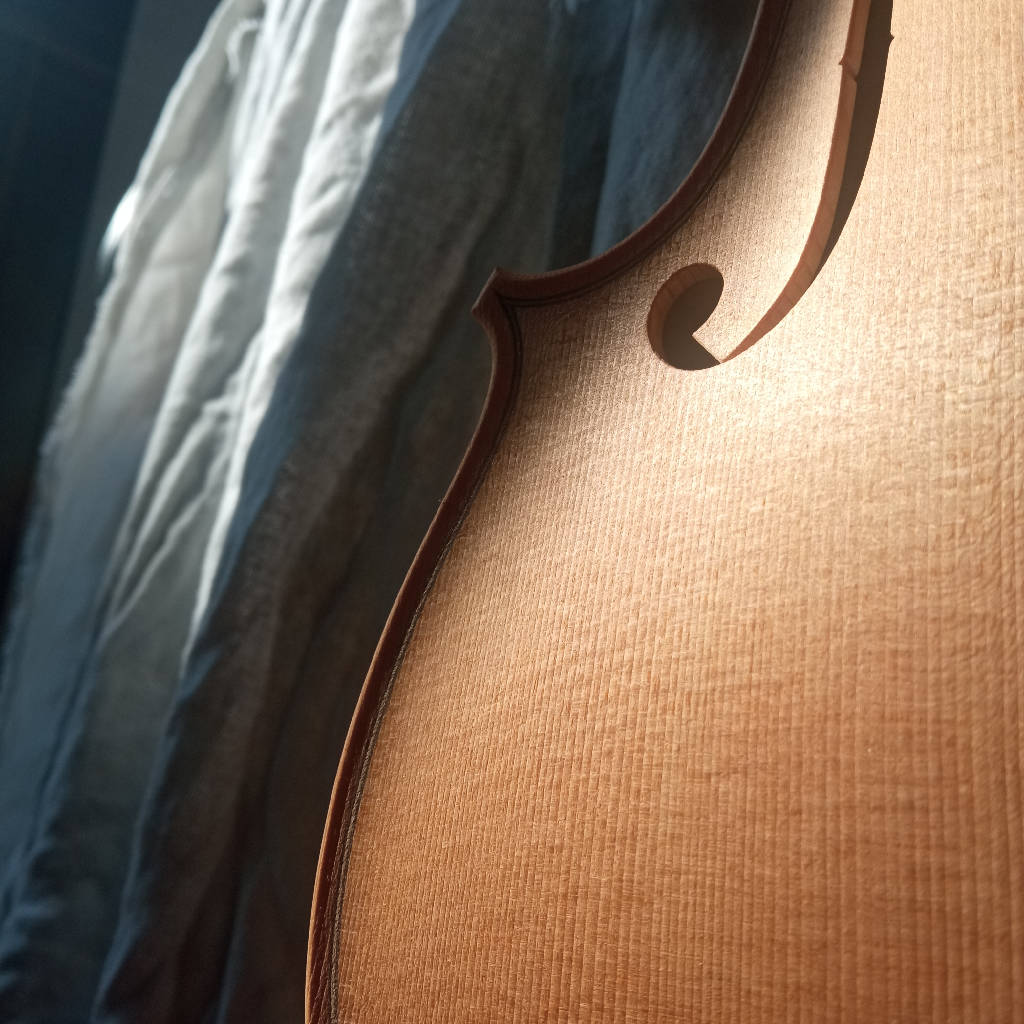
* Hand-carved solid Spruce top
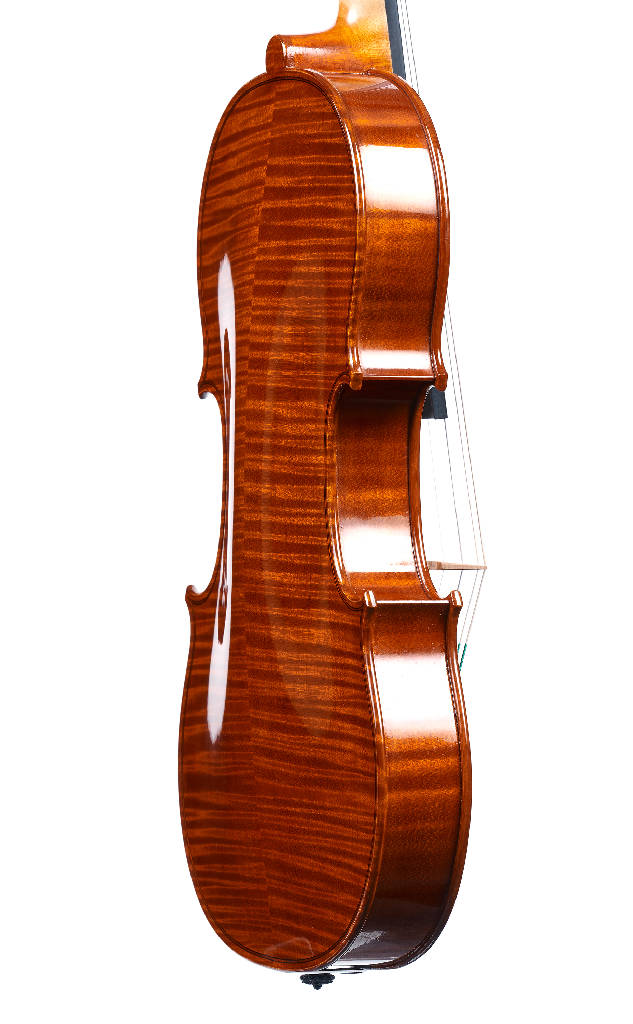
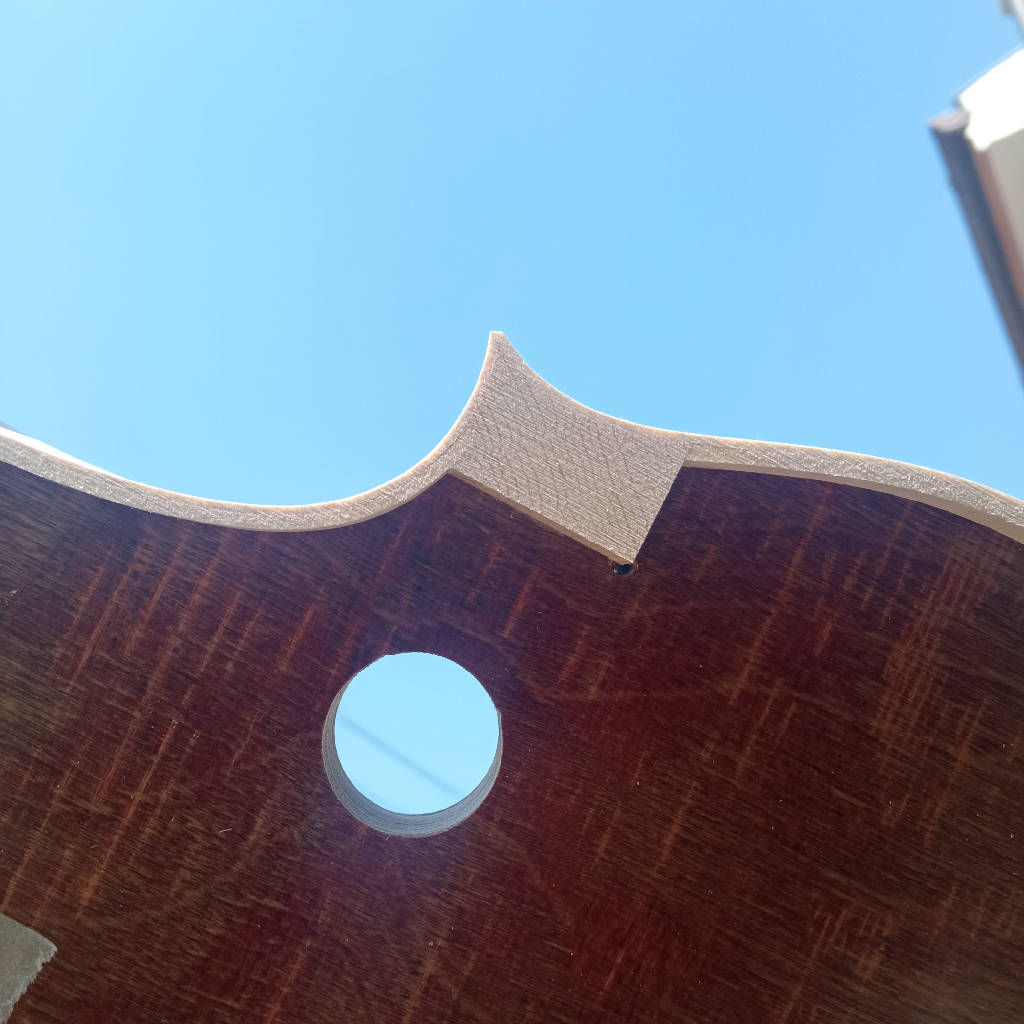
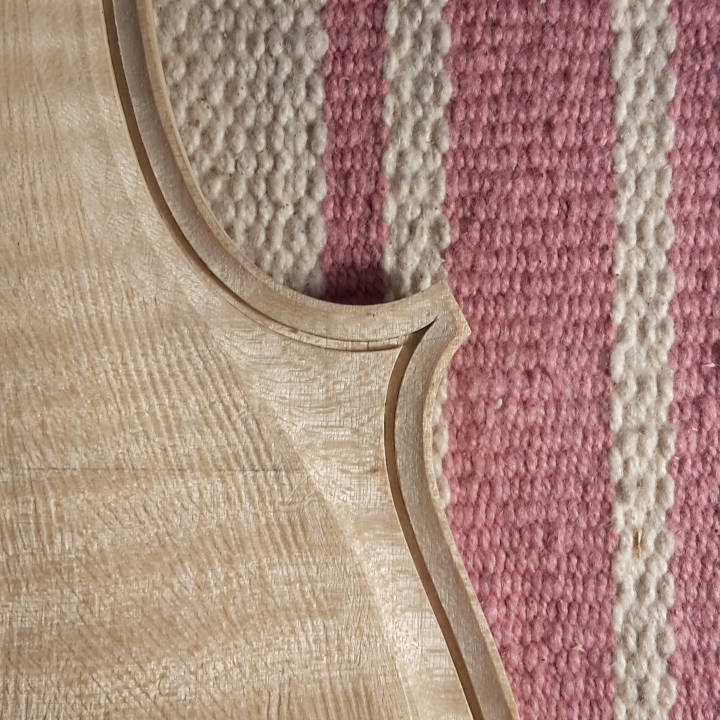
* Hand-carved Maple back, neck and sides
* Dyed Rosewood fingerboard with Boxwood fittingsand fittings
* Warm Brown finish
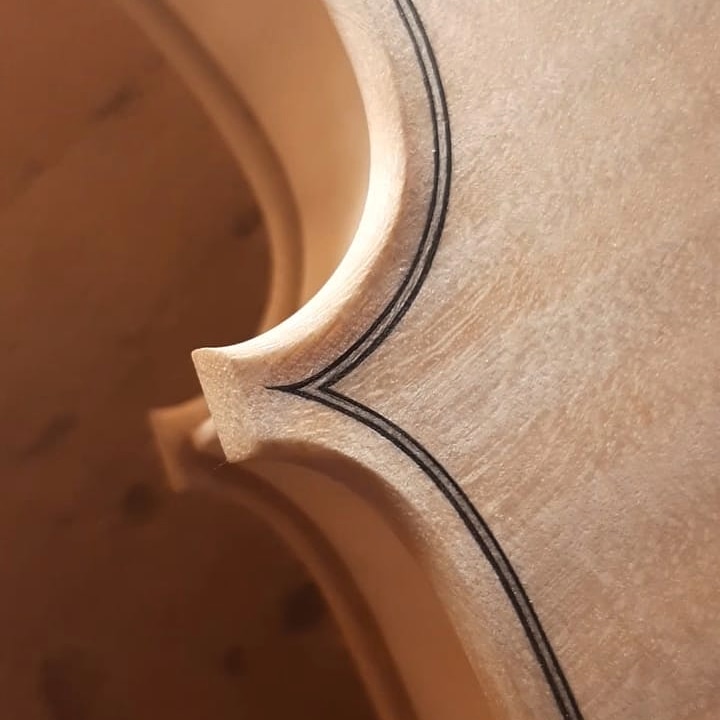
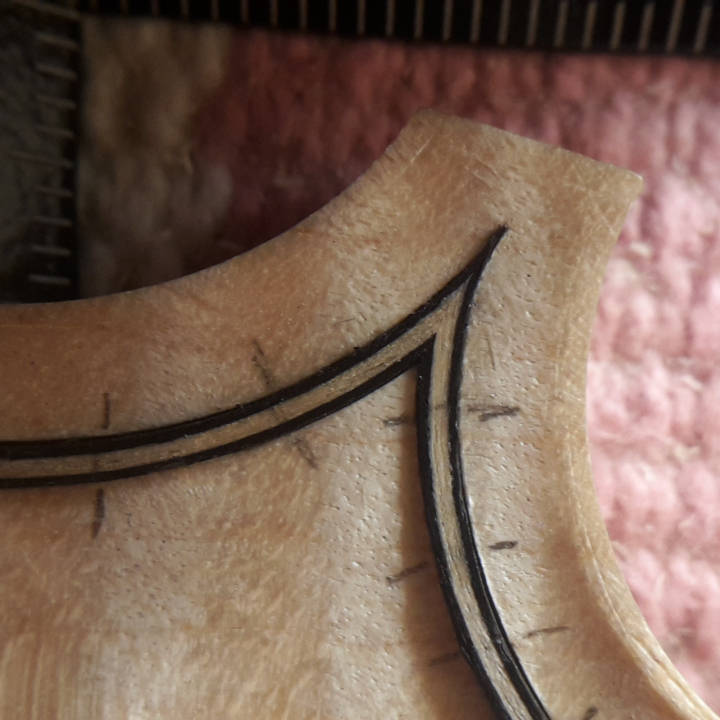
* Inlaid purfling
* 4 x VP-14CP finetuners (Except for 1/8-1/16 sizes)
* LB-10C J. LaSalle Brazilwood bow with genuine unbleached white horsehair
* C-3908 Superior Trailpak I padded nylon bag

Saga, The Source! Cremona Cello: SC-175

Saga, The Source! Cremona Cello: SC-175


"Product: CREMONA PREMIER 'NOVICE' OUTFIT- CELLO 4/4-1/4
Item Number: SC-175

Don't let this best-selling Cremona SC-175 student cello outfit pass you by. It has all of the features that students and educators demand and exceeds all MENC standards.

* Hand-carved solid Spruce top
* Hand-carved Solid Maple neck, back and sides
* Ebony fingerboard, pegs and nut
* VP-61C black, lightweight alloy tailpiece with (4) built-in finetuners
* Inlaid purfling
* Warm brown finish
* LB-12C J. LaSalle Brazilwood bow with genuine unbleached white horsehair and Ebony frog
* TL-20 Travelite lightweight cello case with plush velour interior and durable ballistic nylon cover"

Saga, The Source! Cremona Cello: SC-0

Saga, The Source! Cremona Violins: SC-0

"Product: CREMONA PREMIER 'NOVICE' OUTFIT- CELLO 4/4-1/4
Item Number: SC-0

The superb value of the economy-priced SC-0 will bring joy to many students who thought they could not afford such a serviceable, fine-tuned instrument.

* Select Spruce top
* Maple neck, back and sides
* Ebonized fittings and fingerboard
* Warm brown finish
* (1) VP-14CP finetuner
* LB-10C J. LaSalle Brazilwood bow with genuine unbleached white horsehair
* C-3908 Superior Trailpak I padded nylon bag"

Saturday, April 7, 2007

Care and Maintenance of Stringed Instruments


By following a basic program of care and light maintenance, one can expect to get many years of use from their stringed instrument. Here are some guidelines that will help avoid costly repairs:

Never let the instrument get very hot or very cold. Excessive heat can irreparably damage to the varnish and can cause the special, natural adhesive holding the instrument together to melt. Excessive cold and/or dryness (as well as rapid climatic changes) can cause severe cracks which are costly to repair. A good way to judge whether it is safe to leave the instrument in a particular environment is to ask yourself if you would be comfortable being in the same place as the instrument for the same amount of time. If you would be at all uncomfortable, do not leave the instrument in that environment. One of the more common mistakes is leaving an instrument inside a vehicle parked outside. In the sun, the inside of a car can easily reach temperatures over 120 degrees in just 5 to 10 minutes... absolute murder to the instrument.

It is best to keep the instrument and bow in the case or bag when not in use. Instruments and bows left sitting out likely to be sat upon or tripped over. (It happens more often than you think!) When unpacking a cello or bass from its storage bag, always remove the bow from its pouch first and set it aside. Taking the instrument out first leaves the bow vulnerable to breakage when the bag is dropped to the ground. Reverse the process when packing the instrument up, putting the bow away last.

After each playing, use a soft cloth to gently remove all rosin residue from the instrument (top plate, fingerboard, and bridge) and the stick of the bow. If rosin is left on the instrument, over time it will stick to the varnish and become very difficult to remove. There are commercial rosin remover kits available, but even the best of these can harm some instrument finishes. It is best to avoid the problem altogether. A positive side effect of always cleaning off your instrument after each use is that you will only rarely have to polish the body to keep it looking good.

Do not overtighten the bow. The stick of the bow is supposed to be curved toward the hair at all times. Under no circumstances should the bow be tightened so much that the curve of the bow stick disappears, or curves away from the hair. This can permanently damage the bow and make it unplayable. Always loosen the bow hair tension after playing and for storage. Avoid loosening the hair so much that the hairs hang limp and floppy. One only needs to relax the tension off the stick. If a bow is left under playing tension all the time (during storage), eventually the bow stick will lose its "spring" and will not be able to keep the hair at a playable tension. If this happens, it often means the bow is ruined. A skilled bow repair technician or luthier can "re-spring" a high quality pernambuco bow, but the process is delicate and costly, and the bow is usually never quite the same again.

Avoid handling the bow hair directly with your fingers. Natural oil from your hands will transfer to the hair and shorten its useful life. Also, avoid using too much rosin. Once new bow hair has been rosined thoroughly, just a few strokes of rosin is sufficient before each playing session (often even less). Bass players face the greatest risk of over rosining, as most bass rosins require far less to be applied than for other instrument bows. A common symptom of too much rosin is a "raspy" sound that may even sound like a buzzing string.

The only thing holding the bridge to the instrument is the tension of the strings. Under no circumstances should the bridge ever be glued to the top plate of the instrument. It should sit up such that the side of the bridge facing the tailpiece is at a 90 degree angle to the top of the instrument. When in any doubt about any bridge or instrument adjustment, it is always best to err on the side of caution and not attempt to make any adjustments yourself. Your teacher or professional instrument specialist can usually make small bridge adjustments safely, quickly, and easily.

**Very Important** Always refer any repair needs (no matter how minor they may seem) to a qualified instrument repair technician or luthier. Your instrument dealer can help you with virtually all repair needs. Many times it happens that a well meaning family member (including one who may be quite skilled with tools and woodworking) has ended up causing a much more extensive (and expensive) professional repair to be necessary after trying a home repair. Oftentimes what may seem to be a "horrible calamity" (like an instrument neck coming off, or a big seam opening up between pieces of wood in the body) is something that can be handled rather easily and somewhat inexpensively by an experienced stringed instrument repair technician. Stringed instruments and their components are made out of very special kinds of wood and are held together with very special types of glue (not available at any home improvement store). These types of instruments are designed and built in such a way to avoid the worst kinds of repair needs (like actual cracks in the wood).
Routine Maintenance

Several elements of your instrument will require routine maintenance or replacement:

The hair of the bow will need to be replaced regularly. If you are unsure of the service interval, your teacher can recommend the best time for replacement. For most students, the hair should be replaced at least every six months to a year. Extremely heavy use will require more frequent replacement. Your dealer can take care of this service for a standard fee.

Do not wait until strings break to install new strings. Over time, any brand of string will gradually lose its tone quality and lively response, but these changes often happen so slowly that the player may not notice right away. It is especially important for bass players to establish a regular schedule to replace strings, as many times bass strings just never break (unless abused); rather, they just get more and more "dead". To assure evenness of response and tone, it is usually best to replace an entire set of strings instead of mixing new with old single strings on the instrument. When you change strings, save the most recent older set to use in an emergency. The time interval for changing strings varies depending on the type of string used, playing style, and simply how long the strings are played. If you are unsure as to how long to wait before changing strings, check with your teacher or consult an instrument specialist at your dealer for advice.

If you are changing solid steel core student strings on your instrument, it is strongly recommended that you upgrade to high-quality stranded steel core strings like D’Addario Helicore® for several reasons. A stranded core string will be MUCH easier to play due to its greater pliability and flexibility, it will be more responsive to the bow, and it will possess very good durability. Also, if you play multiple styles (classical, jazz, blues, bluegrass, etc.), you will find a Helicore variety available to suit your style: Helicore Orchestral with the best bow response and warmest sound, Helicore Pizzicato with brighter tone and great sustain, and Helicore Hybrid as an ideal solution for "crossover" players performing in multiple styles using both arco and pizzicato.
D’Addario Helicore® Strings

When replacing the string set, do each string one at a time. Taking all the strings off at once, thus removing all the tension from the instrument can sometimes cause the soundpost to fall down. If the soundpost inside the instrument ever drops out, do not try to take it out of the instrument or re-set it yourself. Relax the string tension, and take the instrument to a qualified instrument repair technician or luthier to have the soundpost set back up. Your professional instrument dealer can usually take care of this relatively quick repair.

Understand that the instrument storage case or bag is designed to protect your instrument, and it will accumulate some wear and tear through normal use. Case handles, straps, latches, and zippers oftentimes can and should be repaired or replaced when necessary. However, after some time (usually several years), it will probably be necessary to replace the case or bag. If the case has taken a beating, but the instrument has generally remained undamaged while inside the case, then it has served you well. A badly damaged case or bag will not continue to effectively protect the instrument.

The bridge will usually need to be replaced within several years of purchase. A great deal of pressure is on the bridge when the instrument is under tension, and often the bridge will start to bend or "warp." A warped bridge should always be replaced by a qualified repair technician at your instrument dealer. Note that if you move to a place with a different climate, a new bridge is almost absolutely necessary as climate changes usually cause the wood of the whole instrument to change just a bit, necessitating a new set-up and adjustment. In certain parts of the country, seasonal climate changes may make it necessary for you to have two or three different bridges to switch out as necessary due to natural changes within the instrument when the humidity changes.

Finally, it is always a good idea to take your instrument to a repair technician or luthier at least every few years just to have it checked out and readjusted if necessary (not unlike getting your car tuned up). You will get the most enjoyment (and best performance) out of your instrument if it is kept in top condition. If you have any questions or need more specific advice on care and maintenance, contact your trusted professional instrument dealer.

Monday, April 2, 2007

Cremona Cello SC-320B


Cremona Cello SC-320B

"# Select, tightly grained Spruce top
# Highly-flamed hand-carved, solid Maple back, neck and sides
# Warm brown, hand varnished finish with oiled neck
# Delicately inlaid purfling
# Ebony fingerboard
# Hill-style Boxwood fittings
# Cremona 3-star bridge
# LB-19C J. LaSalle octagonal Brazilwood bow with genuine unbleached white horsehair with full-mounted, silver-plate wraped, Ebony frog
# TL-20 Travelite lightweight cello case with plush velour interior and durable ballistic nylon cover exterior
# Shop adjusted"

Cremona SC320 Cello


Cremona SC320 Cello

"Saga has brought a hand carved solid wood cello and the resulting tonal benefits within the means of every student. These fine-sounding instruments are crafted to German standard sizes and represent the vbest values in their respective price ranges. The correct measurements and polished rosewood or ebony fittings assure easy playability. Each is supplied with a long adjustable endpin, deluxe Brazilwood bow with horsehair and a padded nylon bag. These cellos are carefully shop adjusted prior to shipment.

SC-320: 4/4, Artist Outfit


Hand carved solid spruce top Well-flamed, hand carved solid maple back, sides and neck Ebony fingerboard Hill-style boxwood fittings Delicately inlaid purfling Warm brown varnish; oiled neck Long adjustable endpin Steel strings Sturdy, padded nylon bag Cremona VP-203C German maple bridge H. Siegler VP-72C series wood bow with genuine unbleached horsehair Shop adjusted"

Cremona SC220 Cello Outfit


Cremona SC220 Cello Outfit

"# Well selected tonewoods for the top (Spruce)Hand-carved, well flamed solid Maple neck, back and sides
# Beautiful French polish finish
# Ebony fingerboard and fittings
# Oiled neck
# VP-14CPC (4) finetuners
# Inlaid purfling
# Warm brown finish
# LB-14C J. LaSalle Brazilwood bow with genuine unbleached white horsehair with full mounted Ebony frog
# TL-20 Travelite lightweight cello case with plush velour interior and durable ballistic nylon cover"